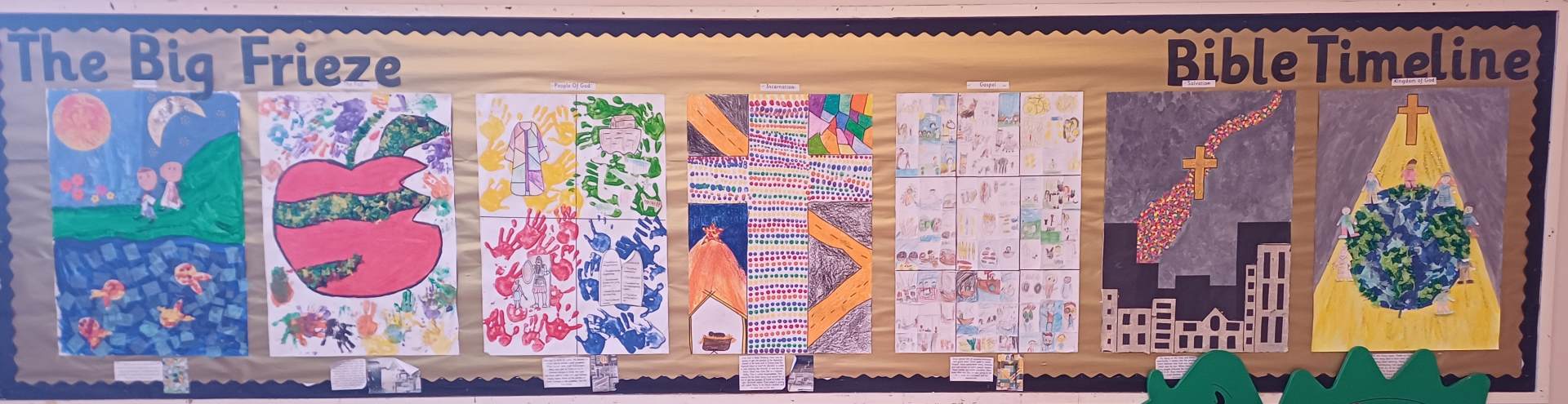



Collective Worship
Our Collective worship is an invitation to pause, reflect and connect together.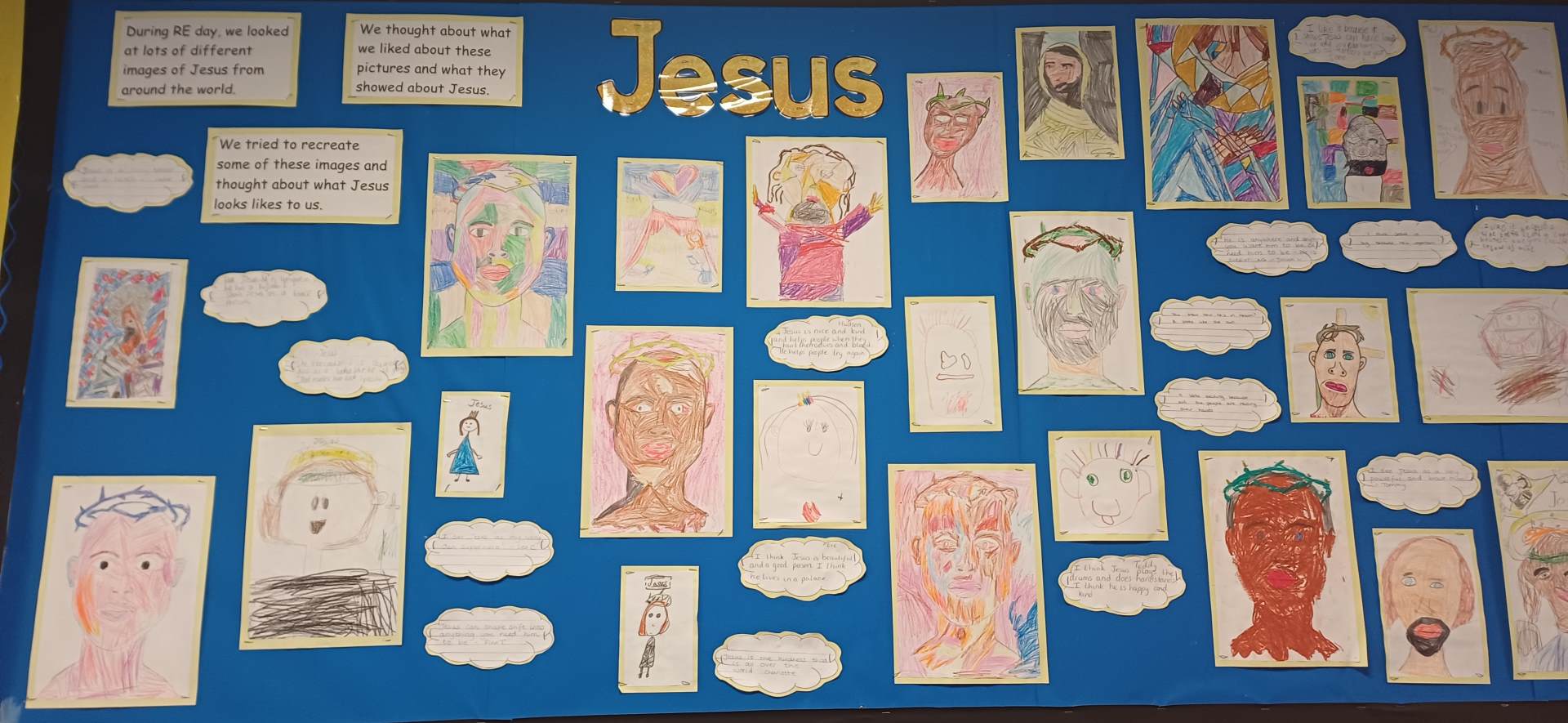
It is an affirmation and celebration of our Christian ethos and where children and adults have the opportunity to learn, worship and grow in their understanding of God and of themselves. Worship in the Castle CE Federation is not simply a statutory duty. It is the heartbeat of our school life – a time to strengthen the Christian identify of our school and reaffirm our Christian vision and values of:
- Kindness
- Resilience
- Respect
- Thankfulness
Aims and purpose
The aims and purpose of Collective Worship as defined by the Education Reform Act 1988 are as follows:
- To provide an opportunity for the children and adults to worship God.
- To enable children and adults to consider spiritual and moral issues.
- To enable children and adults to explore their own beliefs and grow spiritually through experiences of prayer, still, worship and reflection.
- To encourage children and adults to make positive contributions to worship through involvement with aspects of planning, leading and evaluating collective worship.
- To develop in children and adults a sense of community spirit.
- To promote the Castle CE Federation vision of flourishing in learning with shared values and to reinforce positive attitudes.
We follow the three key principles of Collective Worship
Inclusive – where everyone belongsOur acts of worship recognise that pupils and staff come from homes of different faith backgrounds as well as no faith backgrounds, so it is inclusive of, and fully accessible to all. Care is taken to ensure that language and practice used by those facilitating worship avoids assuming faith of those participating, listening or watching.
Invitational – engage, reflect and pray
In our acts of worship, there is no compulsion to ‘do anything’. Rather, worship will provide the opportunity to engage whilst allowing the freedom of those of different faiths and those who profess no religious faith to be present and to engage with integrity. Pupils and adults will only be invited to pray and sing if they wish to do so.
Inspiring – reflection, curiosity and hope
Our Collective Worship creates opportunities of awe, wonder, reflection and spiritual development. This is achieved by asking and discussing big questions about who we are and what we can do to motivate pupils and adults into action. Our worship provides opportunities to think, reflect and ponder on their and the wider community’s behaviour and actions.
A week of Collective Worship
We are committed to providing a daily act of Christian worship which is truly welcoming, inclusive and exemplifies the principles of Christian hospitality. Collective worship follows the structure below to support children’s development. We conduct Collective Worship in a dignified and respectful way expecting children to behave appropriately. We create an invitational, welcoming atmosphere by using music, pictures or other artefacts to act as a focal point.
|
Day |
Focus and content of Collective Worship |
|
Monday |
Our act of collective worship introduces the story from the Bible that was delivered at the Sunday service. Children reflect using 'ows' and 'wows' and how they will live the message in their everyday lives. |
|
Tuesday |
Singing worship- reflecting the songs and hymns of the Christian faith. Also it is an opportunity to listen and share thoughts on different pieces of music from around the world. |
|
Wednesday |
Lead by the clergy linked to the Bible story introduced at the start of the week |
|
Thursday |
Class Worship-Children will reflect together in class the theme from the Bible story and represent their ideas through prayers, pictures and discussion. |
|
Friday |
Celebration Worship is an opportunity to celebrate and reflect on the achievements and successes of our pupils, underpinned by our lived vision and values. |
Each act of worship consists of 4 parts:
- Gather – we welcome the community, for example (with music, liturgy and/or the lighting of a candle)
- Engage – we share, for example, (a Bible reading, followed by an activity to engage pupils with the Christian message.
- Respond – pupils, for example (discuss, share, reflect, pray or sing)
- Send – we share, for example, (the message of the worship again and ask pupils to think about how they will affect their day / learning / behaviour. We close with a final prayer, music, liturgy and/or blowing out of the candle.)